This website uses cookies.
Using a few necessary cookies is unavoidable to operate our store. However, you can decide on the cookies used to improve our services and personalize advertisements.
You can read more about cookies here.
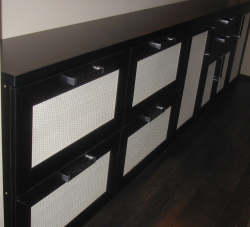
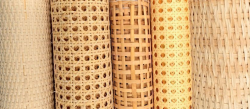
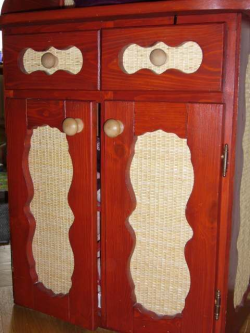
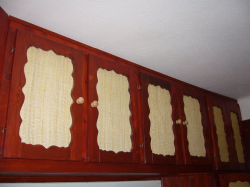
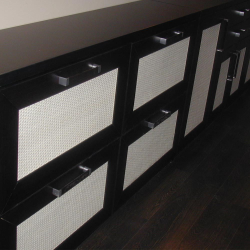


The rattan cane fabric is made from a natural material, rattan. The cane webbing consists of thin rattan fibres. Rattan palm comes from the rainforests of South East Asia. It can grow up to 200 metres long lianas, some up to 5 cm in diameter. Rattan is one of the longest plants on Earth.
This cane is available in rolls of different widths. The length of the rolls of rattan is usually 15.24 metres. The rattan fabric is available in 5 mm and 3 mm wide fibre weave. The thickness of the rattan fabric is usually 1,5 mm. The cane webbing is natural in colour, untreated and can therefore be easily painted and varnished. The exception is the shelled cane webbing, abraded rattan webbing ware because it is made from the outer shell, shiny shell of the rattan cane and is therefore difficult to paint.
It is mainly recommended for indoor decorative purposes. Rattan is very useful as a door insert as it gives a decorative, natural effect, so it complements antique, modern and vintage wooden furniture.
Suggestions for use: sliding doors, cupboard door inserts, rattan screens, or as a wicker wall mat.
The rattan webbing can be easily cut to size with a larger pair of scissors.
If you want to use it as a door front, you can put a wooden panel or other reinforcing sheet behind the woven cane fabric. Apply the adhesive to this support surface and then spread it evenly over the surface using a comb with teeth less than 1 mm wide. Then place a weight on the rattan material until the glue has dried.
For gluing, we recommend silicone glue.
When painting and gluing the webbing cane, it is important not to use a water-based product, as the rattan will stretch when exposed to water.
It is recommended to soak the rattan in water before use, as this will temporarily soften the material, making it easier to fix into a door frame for example. After drying, the rattan will become firm again.
check_circle
check_circle