This website uses cookies.
Using a few necessary cookies is unavoidable to operate our store. However, you can decide on the cookies used to improve our services and personalize advertisements.
You can read more about cookies here.


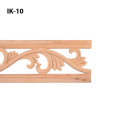
This decorative trim with vine motif is an ideal choice for furniture making or for window restoration projects. The solid, high-quality beechwood base ensures durability, so the furniture retains its elegant appearance for many years. This openwork excellent for decorating cabinets, dressers, display fireplaces, windows, doors and a variety of other furniture.
The size of the gothic wood trim is: width: 10 cm, length: 100 cm, thickness: 0.7 cm. Size tolerance is plus or minus 3%. When ordering multiple trims, we cannot guarantee that the pattern will align seamlessly from piece to piece without cutting. Therefore, please allow for some extra length to ensure a perfect joint. On this openwork was made with plant ornamentation and vine motif. Made from beech wood. Beech is one of the most popular European hardwoods, perfect for creating carved wooden trim. Its dense structure and even grain allows for the creation of fine details. It is extremely durable and wear-resistant, so it maintains its beauty on furniture for decades. This gothic wood trim is unfinished.
This trim is perfect for restoring antique furniture and also for furniture making. Thanks to its detailed craftsmanship and durability from solid wood, it is popular among both professional furniture maker and DIY enthusiasts. Its pre-sanded surface makes finishing easy, whether oiling, staining or glazing.
One advantage of carved wooden trim is its natural, untreated surface, allowing for customization. This gothic wood trim can be easily stained, painted, oiled or lacquered, adapting simply to match existing furniture colors and the atmosphere of the room. Its versatility makes it a great choice for furniture restoration, new furniture making, or interior decoration. With its help, unique and creative ideas can be achieved for both classic and modern styles.
The carved wooden trim is extremely versatile for both home DIY and professional furniture maker work, such as window restoration. Decorative mouldings for furniture are often used for decoration on cabinets, dressers, bed frames or shelves, and also looks great as an accessory for doors, window frames, or mantelpieces. Its natural vine pattern brings unique character to any furniture or interior. Thanks to the durability and workability of beechwood, it is long-lasting yet easy to paint or stain, fitting any style.
It is definitely recommended to finish purchased carved wooden trim. Unfinished raw wood is not only less attractive but, due to its open pores, also gets dirty, which can only be removed later by sanding. Proper finishing not only protects the wood from external factors but also highlights its unique grain and character. There are several methods for this—such as oiling, staining, glazing or painting—which all provide different visual effects but equally extend the lifespan. Trim treated in this way provides a more elegant, well-kept appearance and decorates the furniture for a long time.
A major advantage of the trim we offer is that it can be easily installed even at home, so there is no need for a professional furniture maker. The trims can be mounted using glue or nails. For gluing, use woodworking glue; for nailing, it is suggested to use small wire or brad nails, as these do not split the wood. Nail marks can be easily hidden with wood paste, so the surface remains smooth and elegant. Therefore, installing the wood door trim molding is an easy, quick and aesthetic solution for any furniture.
The vine motif has long been a popular component in furniture decoration, evoking the continuity of nature and the renewal of life. Its origins go back to ancient times, when plant forms, such as acanthus leaves, symbolized fertility and vitality. During the Renaissance and Baroque periods, vine ornamentation expressed wealth and artistic sophistication. In folk furniture carving, the vine appeared in stylized forms, emphasizing the connection to nature. It is still frequently used today, as its soft, curved shapes give elegance and harmony to the appearance of furniture.
This beautiful, high-quality carved wooden trim is an excellent choice for any discerning surface. Made from beech wood, it provides lasting durability and an attractive look to any furniture or interior. Our product is available for immediate shipping from stock, so you don't have to wait weeks for window restoration. Both hobbyists and professional furniture makers gladly use this for their creative projects. Make your furniture unique with this timeless, naturally beautiful gothic wood trim!
check_circle
check_circle



Comments (0)
Your review appreciation cannot be sent
Report comment
Report sent
Your report cannot be sent